Location
New Haven, CT, USA
Added
Howard Chapelle
New Haven, CT, USA
Location
New Haven, CT, USA
About
Howard Irving Chapelle (1901–1975) was one of the most influential American authorities on traditional boats and ship design of the 20th century. Trained as a naval architect, Chapelle combined rigorous technical skill with a historian’s devotion to primary sources, fieldwork, and direct measurement of working boats. His career bridged the worlds of commercial naval architecture, museum scholarship, and popular maritime writing, and he played a central role in preserving knowledge of American vernacular watercraft at a time when many were disappearing from active use.
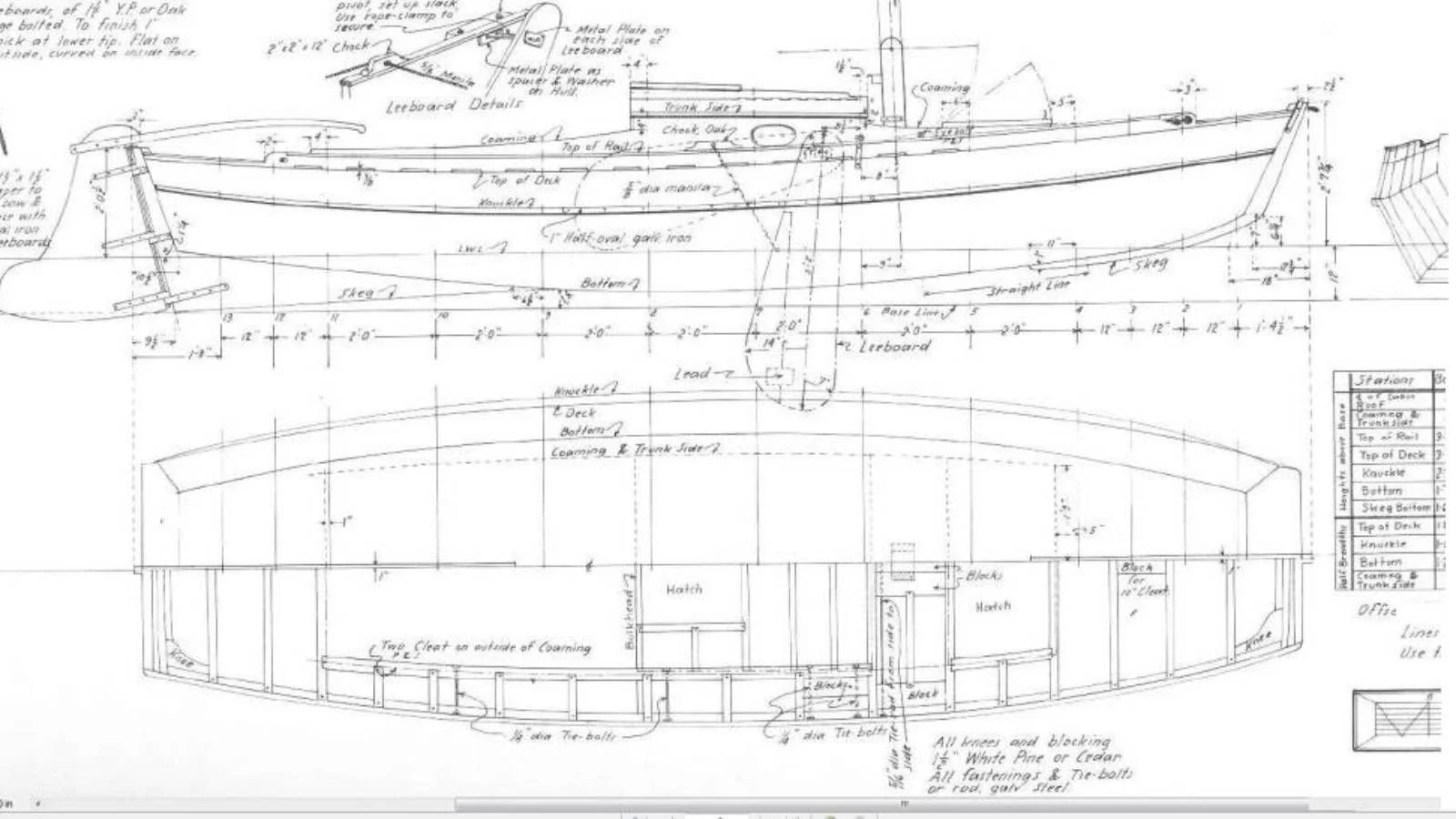
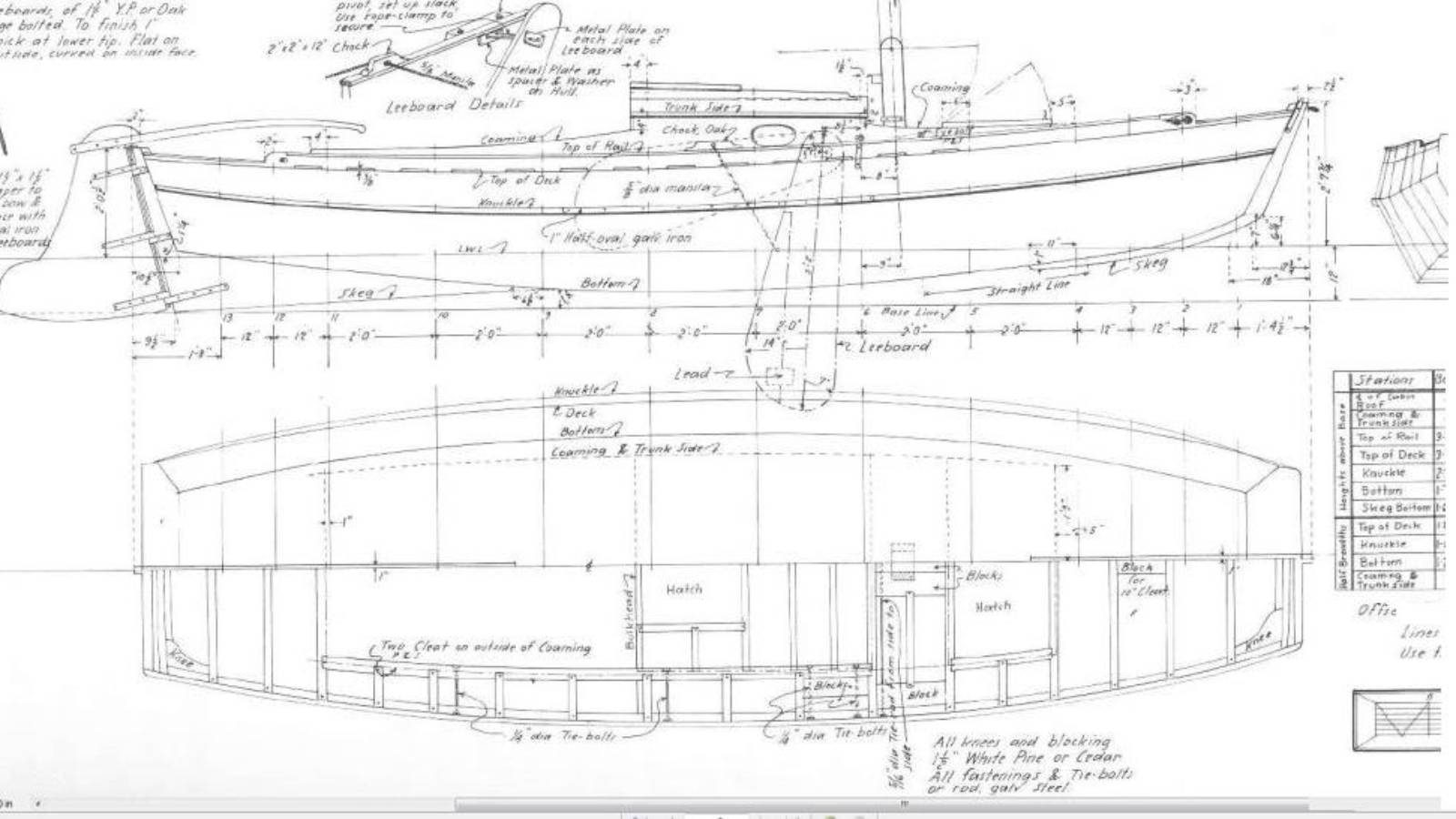
Chapelle is best known for documenting and analyzing traditional working boats, particularly those of North America. His work focused heavily on sailing fishing vessels, coasting schooners, pilot boats, sharpies, skipjacks, oyster dredges, New England fishing craft, and a wide variety of small rowing and sailing boats used on rivers, bays, and coastal waters. Rather than idealized designs, Chapelle measured real boats—often weathered, modified, and still working—and translated them into accurate lines drawings and construction details. This emphasis on practical, proven forms is a defining characteristic of his legacy.
Professionally, Chapelle served as Curator of Naval Architecture at the Smithsonian Institution for many years, where he expanded the National Museum’s maritime collections and research standards. He also worked as a practicing naval architect, designing modern vessels inspired by traditional forms, including small cruising sailboats and adaptations of historic workboats for recreational use. His designs often emphasized seaworthiness, efficiency under sail, and simplicity of construction, reflecting lessons learned from working craft rather than racing yachts.
Among his most influential books are American Small Sailing Craft (1951), Boatbuilding (1941; revised later), The History of American Sailing Ships (1935), and American Fishing Schooners (1949). These works became foundational references for boatbuilders, historians, and designers, particularly during the postwar revival of interest in traditional and amateur-built boats. Chapelle’s drawings have inspired generations of designers and builders, directly influencing later figures in the small-boat movement and the modern resurgence of sharpies, dories, and shoal-draft cruising craft.
Chapelle’s lasting importance lies not only in the boats he designed, but in the knowledge he preserved. By recording hull forms, rigs, construction methods, and regional variations with exceptional care, he ensured that centuries of working-boat evolution were not lost to industrial standardization. Today, his work continues to serve as both a technical resource and a philosophical touchstone for builders and designers who value boats shaped by use, environment, and lived experience over fashion or abstraction.